Elevate Everyday Outfits Through Refined Bracelets Blending Texture And Shine

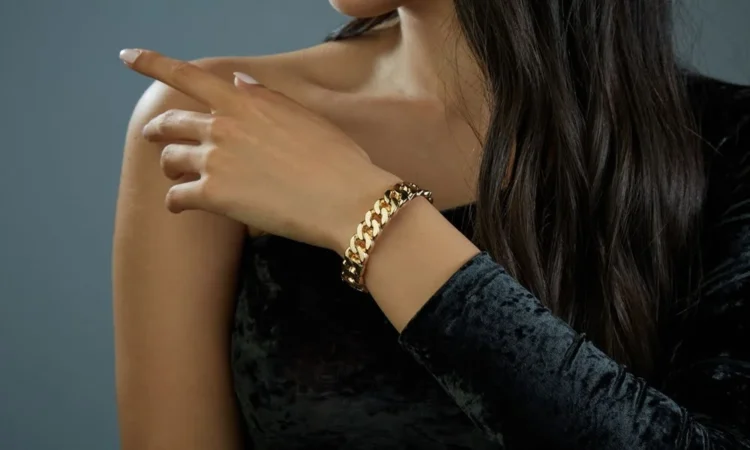
Simple clothing often leaves room for thoughtful accessories. A refined bracelet can bring texture, light, and balance around the wrist. Its surface affects how nearby fabrics catch attention. Smooth metal gives crisp reflections against plain sleeves. Fine patterns create depth without making clothing feel busy. Because of this, wrist jewellery can influence an outfit’s character. Material, proportion, finish, and layering all shape that effect.
Refined Details Create Visual Balance
Clean silhouettes benefit from small surface changes. A polished edge reflects light across darker clothing. Brushed sections soften that reflection for quieter styling. Meanwhile, raised patterns create subtle movement during wrist motion. Each finish carries a different visual weight. Therefore, choosing one dominant detail keeps the outfit controlled. Simple clothing can then support richer accessory textures.
Which Textures Add Character?
Surface treatment changes how metal interacts with light. Brushed finishes create softer reflections than polished surfaces. Hammered patterns bring small variations across each section. Beaded details introduce rhythm around the wrist. For daily dressing, texture should complement clothing rather than dominate it. A textured bracelet can therefore bring depth to neutral outfits without creating visual clutter.
- Brushed metal keeps reflections soft and controlled.
- Hammered sections bring gentle changes across surfaces.
- Fine ridges provide structure around slender wrists.
- Beaded details create rhythm during natural movement.
- Polished borders add definition without extra bulk.
Layering Builds A Personal Finish
Layering becomes effective when each piece has breathing room. Different widths can establish a clear visual order. Similar metals create stronger connections between separate accessories. Texture can then provide contrast without disrupting that relationship. A narrow polished piece pairs naturally with rougher surfaces. However, excessive layering can hide individual details. Controlled spacing allows each element to remain visible.
Can Shine Work Beyond Evening?
Reflective jewellery can support relaxed daytime dressing too. Its success depends largely upon surrounding clothing choices. Muted fabrics can soften brighter metal surfaces. A simple shirt creates enough space around reflective details. Softer finishes work well beside casual knitted fabrics. Consequently, shine becomes an accent rather than decoration. This approach keeps daytime styling balanced and easy to maintain.
- Pair bright surfaces with quieter clothing.
- Keep reflective details limited during daytime.
- Coordinate metal tones across nearby accessories.
- Leave patterned garments enough visual space.
Materials Shape Everyday Styling Choices
Material changes both weight and surface reflection. Lightweight metal suits fine fabrics and narrow sleeves. Heavier construction works better with structured clothing. Smooth surfaces create sharper lines around the wrist. Textured finishes add depth through small irregular marks. Choosing material alongside fabric weight improves overall proportion. A delicate piece may disappear beside thick sleeves. Conversely, heavy jewellery can overpower lightweight garments.
Why Proportion Changes The Outfit?
Proportion decides whether jewellery feels connected to clothing. Sleeve length changes how much the wrist remains visible. Short cuffs expose more surface for detailed designs. Longer sleeves reveal jewellery during natural arm movement. Wrist size also influences suitable width and shape. Rather than following fixed rules, observation offers better guidance. Surrounding forms can reveal which proportions feel visually settled.
Small Details Can Change Perception
A wrist accent can subtly alter familiar clothing. Polished edges create cleaner impressions through reflected light. Rougher surfaces introduce character without changing garment structure. Repeated metal tones can connect rings with hardware. Sleeve movement also changes how surfaces catch light. These small relationships make accessories feel connected to dressing choices. As a result, ordinary outfits gain stronger visual direction.
Texture Turns Accessories Into Details
A brushed surface beside polished edges creates useful contrast. That difference can change how a sleeve feels visually. The accessory becomes part of the outfit’s overall rhythm. Texture adds depth while shine supplies small highlights. Together, these details create balance without demanding attention. The strongest styling choice may remain almost unnoticed. Its effect appears through the complete outfit rather than one piece.
FAQs
What bracelet style suits everyday clothing?
Slim polished designs suit simple outfits with clean shapes. Textured surfaces can add depth without creating visual clutter.
Can textured jewellery work with patterned clothing?
Yes, restrained textures can support patterned garments effectively. Simpler surfaces help maintain focus across the complete outfit.
Should different metal finishes always match?
Matching finishes create cohesion across accessories and clothing. Controlled contrast can also provide useful visual definition.
Does sleeve length affect wrist jewellery choices?
Yes, sleeve length changes how much jewellery remains visible. Short cuffs reveal detail, while longer sleeves create brief highlights.