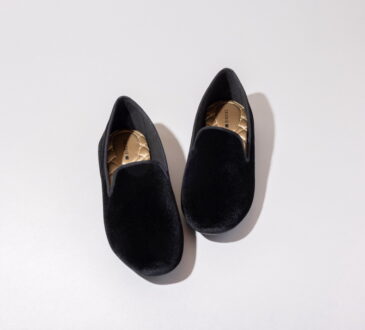

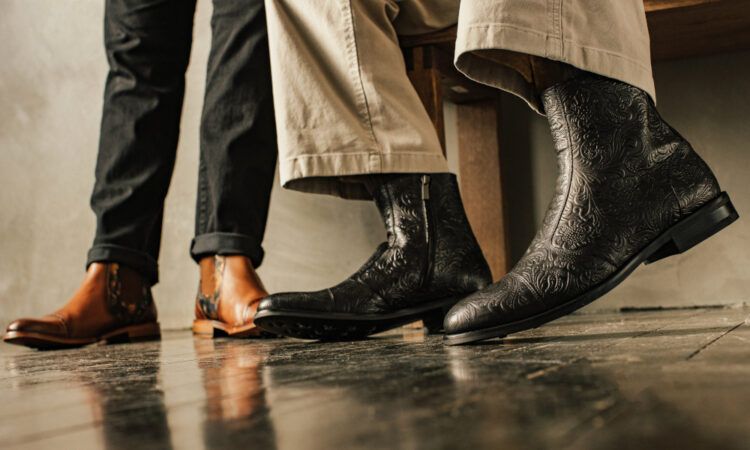
Men’s shoes were once simple. Black or brown, laced or slip-on, work or weekend. Designers did what was popular, without question. But something shifted in the last decade. Suddenly, guys started caring about arch support and breathable fabrics. They began asking why dress shoes had to hurt and why sneakers couldn’t look professional. The footwear industry listened, and everything changed.
Function Meets Form in Unexpected Ways
The old divide between comfortable and good-looking has basically disappeared. Shoe designers study daily foot movement. They watch slow-motion footage of people. This research leads to shoes that work with the body instead of against it.
Memory foam used to live only in mattresses. Now it cushions insoles. Knit uppers are stretchy, breathable, and supportive. Wet sidewalks get grip from tire-like rubber compounds. These materials seemed impossible to combine just a few years back.
Office workers no longer hobble home after eight hours on their feet. Weekend warriors don’t sacrifice style for comfort at backyard gatherings. The same pair handles both scenarios because smart design solved problems people didn’t even know they could fix.
Sustainability Shapes Every Decision
Ocean plastic is recycled into shoe uppers. Old rubber gets ground down and reformed into new soles. Boxes now use less cardboard and omit tissue paper. This shift occurred as younger buyers questioned shoe sourcing and disposal.
Manufacturers now accept used shoes for recycling. They use them to make new footwear. Others use biodegradable mushroom leather. Ethical choices influence color and price, yet buyers are willing to pay more. The durability factor plays into sustainability too. Shoes built to last five years instead of one reduce waste dramatically. Replaceable insoles and resoleable construction extend lifespans even further. Grandpa’s cobbler shop mentality returns through modern technology.
Technology Transforms Traditional Styles
3D printing changed the game completely. Designers prototype new ideas in days instead of months. Custom fits become possible without custom prices. Some shops scan feet and produce perfectly fitted shoes within hours. Apps measure foot dimensions using phone cameras. Algorithms recommend sizes across different styles and cuts. Virtual try-ons show how shoes look with specific outfits. The guesswork of online shopping fades away.
Even traditional leather dress shoes hide technical innovations. Antimicrobial linings fight odor. Flexible soles bend where rigid ones used to crack. Waterproofing treatments protect against puddles without that plastic coating look. Exquisite sneakers from brands like Taft incorporate these same technologies while pushing aesthetic boundaries further than ever before.
Cultural Shifts Drive Design Changes
Remote work killed the dress shoe requirement for millions. Video calls only show people from the waist up. Comfort became king when nobody could see feet anyway. But instead of giving up on style entirely, men demanded both. Athletic leisure blurred lines between gym and street wear. Basketball shoes showed up in boardrooms. Running shoes paired with suits. These combinations would have seemed absurd twenty years ago. Now they’re normal Tuesday outfits.
Different cultures bring different footwear traditions to American markets. Minimalist designs from Scandinavia meet bold colors from Africa. Asian attention to detail influences construction methods. This global exchange creates options that didn’t exist when domestic companies dominated.
Conclusion
Over the years, men have had more and more shoe options. Designers must rethink shoe design because of tech, sustainability, and cultural shifts. The guy shopping for shoes today faces choices his father never dreamed of. He can choose between shoes that perform like athletic gear but look like boardroom classics; pairs that protect the planet while protecting feet and designs that honor tradition while embracing innovation. This revolution shows no signs of slowing down.